Back to Blog
Web Design

Why Minimalist Design Converts Better in 2026

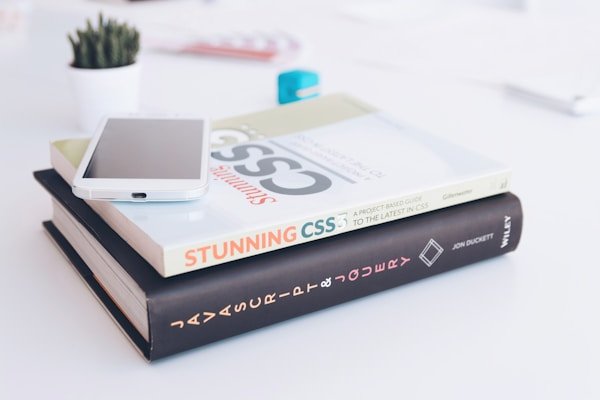
Minimalist Web Design Workspace

In the ever-evolving landscape of digital aesthetics, one trend continues to dominate the luxury web design market: minimalism. As we navigate through 2026, the principle that less is more has never been more relevant. At IPWEB, we have observed firsthand how minimalist web design not only elevates brand perception but also significantly boosts conversion rates for our clients across diverse industries. This comprehensive guide explores why clean, uncluttered interfaces outperform their busy counterparts and how you can leverage minimalist design principles to transform your online presence.

The concept of minimalist web design revolves around the strategic elimination of unnecessary elements. Every component on the page must serve a specific purpose, whether it is guiding the user toward a call-to-action, conveying essential brand information, or enhancing the overall user experience. When visitors land on a website that embraces minimalism, they are immediately greeted with clarity and intentionality. This psychological comfort translates into longer session durations, lower bounce rates, and ultimately, higher conversion rates. Luxury brands worldwide are adopting this approach because it mirrors the exclusivity and refinement that their customers expect.

The Psychology Behind Clean Design

Human cognition processes visual information through a complex network of neural pathways that prefer simplicity and order. When a user encounters a cluttered website, their brain must work harder to extract relevant information, leading to cognitive overload. This mental strain creates friction in the user journey, causing potential customers to abandon the site before completing desired actions. Minimalist web design eliminates this barrier by presenting information in digestible, hierarchical formats that align with natural scanning patterns.

Research in cognitive psychology consistently demonstrates that users form aesthetic judgments within milliseconds of viewing a webpage. These snap decisions heavily influence their willingness to trust the brand and engage with its content. A clean website design signals professionalism, attention to detail, and respect for the visitor's time. In the luxury market, where perception equals value, this immediate positive impression can be the difference between a casual browser and a committed buyer. The strategic use of white space, also known as negative space, plays a crucial role in this psychological dynamic by allowing key elements to breathe and capture attention.

White Space: The Silent Persuader

White space is arguably the most powerful yet underappreciated tool in modern web design. Far from being empty or wasted space, it functions as an active design element that directs focus, establishes hierarchy, and creates visual rhythm. When IPWEB designs luxury websites, we treat white space as carefully as we treat content. Generous margins, ample line spacing, and strategic gaps between elements guide the user's eye naturally toward conversion points without overwhelming them with information density.

The impact of white space on readability and comprehension cannot be overstated. Studies show that comprehension increases by up to 20% when content is surrounded by adequate white space. This improved legibility means users can quickly scan product descriptions, service offerings, and pricing information, reducing the time required to make purchase decisions. For e-commerce websites and service-based businesses, this efficiency directly correlates with improved sales performance and customer satisfaction metrics.

Typography and Visual Hierarchy in Minimalism

Minimalist design does not mean boring design. On the contrary, the constraint of simplicity forces designers to make more deliberate choices about typography, color, and imagery. In a clean layout, typography becomes the dominant visual language. Carefully selected font pairings, precise sizing hierarchies, and thoughtful line heights communicate brand personality and information structure simultaneously. At IPWEB, our design team specializes in curating typography systems that embody luxury while maintaining exceptional readability across all devices.

Visual hierarchy in minimalist web design relies on contrast, scale, and positioning rather than decorative flourishes. Important elements like headlines, value propositions, and call-to-action buttons receive maximum visual weight through size and placement. Secondary information recedes appropriately, available when needed but never competing for attention. This disciplined approach ensures that users always know what action to take next, creating seamless pathways from initial interest to final conversion.

Mobile Responsiveness and Minimalist Principles

The proliferation of mobile browsing has made minimalist design not just aesthetically preferable but functionally essential. Small screens simply cannot accommodate cluttered interfaces without creating frustrating user experiences. Minimalist web design principles translate perfectly to mobile environments, where every pixel of screen real estate must be used efficiently. By designing with mobile constraints in mind from the outset, IPWEB ensures that our clients' websites perform flawlessly across all devices while maintaining their luxurious visual identity.

Touch interactions on mobile devices require larger target areas and simplified navigation structures. Minimalist design naturally accommodates these requirements by reducing menu complexity and eliminating non-essential interactive elements. The result is a mobile experience that feels intuitive and responsive, encouraging users to explore deeper into the site and complete transactions with confidence. As mobile commerce continues to grow, this mobile-optimized minimalism represents a critical competitive advantage.

Conversion Rate Optimization Through Simplicity

The ultimate measure of web design effectiveness is conversion rate. Whether the goal is generating leads, selling products, or building email lists, minimalist interfaces consistently outperform alternatives. By removing distractions and clarifying the user journey, minimalist websites reduce decision paralysis and guide visitors toward desired outcomes. Every element on the page either supports the conversion goal or is eliminated entirely.

A/B testing data from numerous IPWEB projects confirms this relationship between simplicity and conversion. Pages with streamlined layouts, reduced form fields, and singular focused calls-to-action regularly achieve conversion rate improvements of 30% or more compared to previous designs. These results hold true across industries, from luxury real estate to high-end fashion retail. The evidence is clear: when you respect your users' attention and remove obstacles to action, they reward you with engagement and loyalty.

Implementing Minimalism in Your Next Website Project

Transitioning to a minimalist design approach requires thoughtful planning and disciplined execution. Start by conducting a comprehensive content audit to identify truly essential information versus nice-to-have additions. Establish clear visual hierarchy guidelines that prioritize conversion-critical elements. Choose a restrained color palette that reinforces brand identity without creating visual chaos. Invest in high-quality photography and typography that can carry the design without relying on decorative elements.

Working with experienced luxury web designers like the team at IPWEB ensures that your minimalist vision translates into tangible business results. Our expertise in balancing aesthetic restraint with functional requirements means your website will be beautiful, performant, and profitable. Contact us today to discuss how minimalist design can elevate your brand and accelerate your digital growth in 2026 and beyond.

Minimalist Design Web Design Trends Conversion Optimization Luxury Websites User Experience White Space Design